
By Tony Frame. Contains very mild spoilers.
It takes a lot of skill for a film to tap into your emotions and evoke a feeling of nostalgia and sadness and then elevate you to incredible (almost manic) highs. Charlotte Wells’ feature film debut does exactly that in a movie that is almost devoid of a solid plot, but it achieves its engagement and holds your attention with its dreamlike quality and its focus on the two protagonists as we’re transported back to the 1990s and go on holiday with 11 year old Sophie and her father Calum (played by Irish actor Paul Mescal).
The story is partly told through the lens of Calum’s video camera which, in many ways, is a portal to the past and present narrative that we are presented. The film is also intercut with an older Sophie in a dark nightclub (briefly illuminated with the use of a strobe), who sees her father on the dance floor: he’s exactly the same age as when she was on holiday with him, all those years ago. This interpretative scene is unsettling the longer the film goes on and it adds to the undertone of malaise that runs through the story; a story that is up-close-and-personal (almost like a video diary), about a father and daughter not so much at odds with each other, but in some ways discovering things about themselves and how similar they are in their outlook on life.
Images courtesy of IMDB

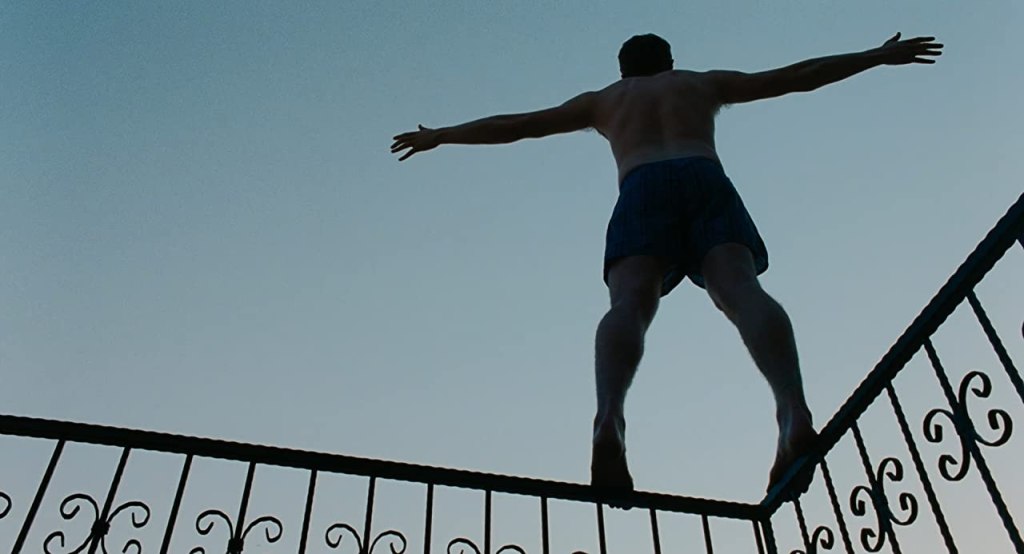

There’s elements of depression and possible bipolar disorder as Mescal brilliantly (sometimes subtly) portrays a father who is somewhat at odds with himself and his future; it’s something that is touched upon and hinted at in the smallest of ways at times (a look or a thought that crosses his mind for instance), but it’s there for you to take your own interpretation from it. I thought this was carefully and well handled by the director; she avoided the clichés that are sometimes thrown into a film when it deals with mental illness, and she allows you to see it partly through the perspective of 11 year old Sophie.
It’s a beautifully shot film that isn’t as dialogue-rich as some other Indie productions out there, but in many ways that works in its favour because when the protagonists do have something to say it reveals more about their characters and the themes I’ve previously mentioned. It’s a film that is very much like a work of literature; it has elements of Terence Mallick’s best work without his meanderings, and the soundtrack (using some popular songs from the ‘90s) is carefully orchestrated with the scenes they are used in; it immerses you back to that era when BritPop was at its peak and it doesn’t overdo it like some films. The inclusion of David Bowie and Queen’s song Under Pressure in the latter part of the film gave me goosebumps. I’m not a fan of filmmakers using great songs just for the heck of it, but the usage in Aftersun really hits a nerve and adds an overwhelming sense of poignancy to the film in conjunction with the visuals that aide it.
It’s a profoundly personal film from a talented director whose focus on what’s under the surface of her characters keeps you invested till the very end. Frankie Corio is well cast as the young Sophie and doesn’t falter in her performance either; no mean feat considering that most of the screen time is focused on her. And Mescal’s Edinburgh accent is about the best I’ve ever seen (heard) on screen.
Director: Charlotte Wells
Writer: Charlotte Wells
Stars: Paul Mescal, Frankie Corio, Celia Rowlson-Hall
Aftersun is currently streaming on MUBI
 Gonzo Magazine
Leave a comment